
Trail Running Is Having a Moment. And Women Are Leading the Charge

Trail running is growing fast, and women are making history along the way. Here's what's driving the surge—and why you don't need to run 100 miles to be part of it.
Something interesting is happening in the running world. More runners are trading pavement for dirt, predictable routes for winding trails, and familiar mile splits for a different kind of challenge.
And it's not just ultramarathoners heading into the mountains. Recreational runners, hikers, and hybrid athletes are discovering the appeal of running off-road.
The numbers back it up. Trail running participation is climbing, women are becoming a larger part of the sport, and female athletes are delivering extraordinary performances at the highest levels of competition.
But you don't have to be an elite runner to appreciate what the trails have to offer.
Trail Running Is Growing. Fast.
According to the Outdoor Industry Association's 2026 Running Report, trail running participation in the United States reached 17.2 million people in 2025, a 57% increase since 2019. Participation grew another 6.6% in the most recent year alone.
That's significant growth for an activity once considered a niche corner of the running world.
Part of the appeal is how easily trail running fits into different training routines. You don't have to specialize in distance running to enjoy it. Athletes who already mix strength training, road running, hiking, or rucking into their routines may find it a natural addition.
And getting started doesn't require an ultramarathon training plan. A wooded path through a local park counts just as much as a mountain trail. The distance, difficulty, and intensity are entirely up to you.
More Women Are Taking to the Trails
One of the biggest developments in trail running is the growing presence of women.
According to the International Trail Running Association (ITRA), women represented just 16% of participants in its global database in 2007. By 2025, that figure had climbed to 30.5%.
Participation varies considerably by distance. ITRA reports that women account for 45.5% of participants at 10 kilometers but just 14.4% at distances exceeding 100 miles.
That gap shows there's still room for growth, particularly in the longest events. But the increasing visibility of women in trail running is hard to miss.
MudGear Ambassador Lisa Marie Musacchio, whose athletic background includes elite Spartan racing, mountain running, and skyrunning, has seen that growth firsthand.
It has been amazing to see more women at races... building a passionate community of women raising each other up, supporting goals, and navigating challenges we face together.
For Lisa Marie, the growing community also means more open conversations about topics that directly affect female athletes, including training, nutrition, pregnancy, and postpartum recovery. Sharing those experiences helps women learn from one another and feel more confident pursuing their own goals.
And at the elite level, women are delivering some of the most impressive performances in endurance sports.
The Women Redefining Endurance Running
The 2026 ultrarunning season has produced some remarkable results. These aren't simply women's division victories. In some cases, female athletes are setting records across entire race fields.
Rachel Entrekin: First Overall at the Cocodona 250
In May, Rachel Entrekin made history at Arizona's grueling Cocodona 250, becoming the first woman to win the race outright.
She completed the approximately 253-mile course in 56 hours, 9 minutes, and 48 seconds, setting a new overall course record and finishing ahead of every other competitor, male or female.
The course includes nearly 39,000 feet of climbing, with terrain ranging from desert trails to steep mountain sections.
It was Entrekin's third consecutive victory at the event, and one of the standout ultrarunning performances of the year.
Read the Cocodona 250 race report — iRunFar
Jennifer Lichter: A Record-Breaking 100-Mile Debut
At June's Western States Endurance Run, Jennifer Lichter made her debut at the 100-mile distance and broke the women's course record.
Her finish of approximately 15 hours and 28 minutes surpassed the previous record held by Courtney Dauwalter.
And Lichter wasn't alone in pushing the pace. Seven of the ten fastest women's times in Western States history were recorded in the 2026 race.
That's not just one exceptional performance. It shows how competitive women's ultrarunning has become.
Read the Western States 2026 coverage
Courtney Dauwalter: Another Hardrock Record
Courtney Dauwalter has been setting the standard in ultrarunning for years, and 2026 was no exception.
At Colorado's Hardrock 100, she finished in 26 hours, 3 minutes, and 10 seconds, breaking her own women's clockwise course record by more than eight minutes.
Hardrock is no ordinary 100-mile race. Its rugged mountain terrain, high altitude, and enormous elevation changes make it one of the toughest endurance events in the country.
Read the Hardrock 100 results — iRunFar
These performances are extraordinary, but their impact extends beyond the podium. Greater visibility for female endurance athletes helps expand perceptions of who belongs in the sport and what's possible with years of consistent training.

Beyond Fitness: What the Trails Offer Mentally
Of course, most people aren't heading onto the trails to break course records.
For many runners, the appeal is simpler: a challenging workout, time outdoors, and a break from the usual routine.
For MudGear Ambassador Stephanie Buettner, that connection began unexpectedly during a mountain hike in Hawaii.
I loved the peaceful nature and silence. I started to run downhill and felt free and no limits applied.
That moment sparked her interest in trail running. She began seeking out mountain trails and the stillness of nature, describing the experience as a way to strip away the distractions of everyday life and reconnect with herself.

Research supports the connection between outdoor physical activity and mental well-being. A 2025 systematic review and meta-analysis examining 57 studies found that exercise in natural environments was associated with improved mental well-being compared with no exercise. However, researchers did not find consistent evidence that outdoor exercise was more beneficial than indoor or urban exercise.
For women, there's another important consideration: feeling comfortable and supported in the environments where they run.
Research involving female trail runners in England found that women valued outdoor running while also navigating concerns about personal safety and harassment. Those experiences can influence where, when, and with whom women choose to run.
This is one reason welcoming running groups and organized trail communities matter. They offer opportunities to explore new routes, build connections, and participate in a sport that can otherwise feel intimidating to newcomers.
Trail running isn't a cure for stress or mental health challenges. But combining regular physical activity, time outdoors, and social connection can make it a rewarding part of a balanced routine.
Why Trail Running Belongs in a Well-Rounded Training Routine
Here's where trail running gets particularly interesting for athletes who don't specialize in one sport.
Unlike road running, trails rarely offer consistent terrain. A single route might include sustained climbs, technical descents, loose gravel, roots, and sections that require quick adjustments in foot placement.
That variety challenges the body in different ways, from aerobic endurance and climbing strength to balance, coordination, and stability.
For Lisa Marie, the unpredictable nature of the sport is part of what keeps her coming back.
Tackling all of these challenges, setting goals and growing as an athlete helps us develop strong problem solving skills that we can easily apply to our other daily responsibilities.
Her approach to trail running includes developing strong ankles, improving climbing power and downhill technique, and learning to adapt to changing terrain and weather conditions.
Those skills don't develop overnight. And trail running comes with its own physical demands. Downhill running places significant stress on the quadriceps, while uneven terrain requires attention to footing and balance.
But for runners, hikers, ruckers, and hybrid athletes, trails provide another way to develop fitness without repeating the same workout.
Ready to Give It a Try?
You don't need mountains, an expensive race entry, or a complicated training plan to get started.
Find a maintained trail, start with a manageable distance, and don't worry if your pace looks nothing like your usual road-running splits.
Choose less technical terrain at first, pay attention to footing, and walk the steep climbs when necessary. Experienced trail runners do it all the time.
Finding an experienced running partner or local trail group can also make those first few outings less intimidating. Stephanie credits having a mentor with helping her get started and encourages beginners to ask questions, observe experienced runners, and find groups that welcome different paces and abilities.
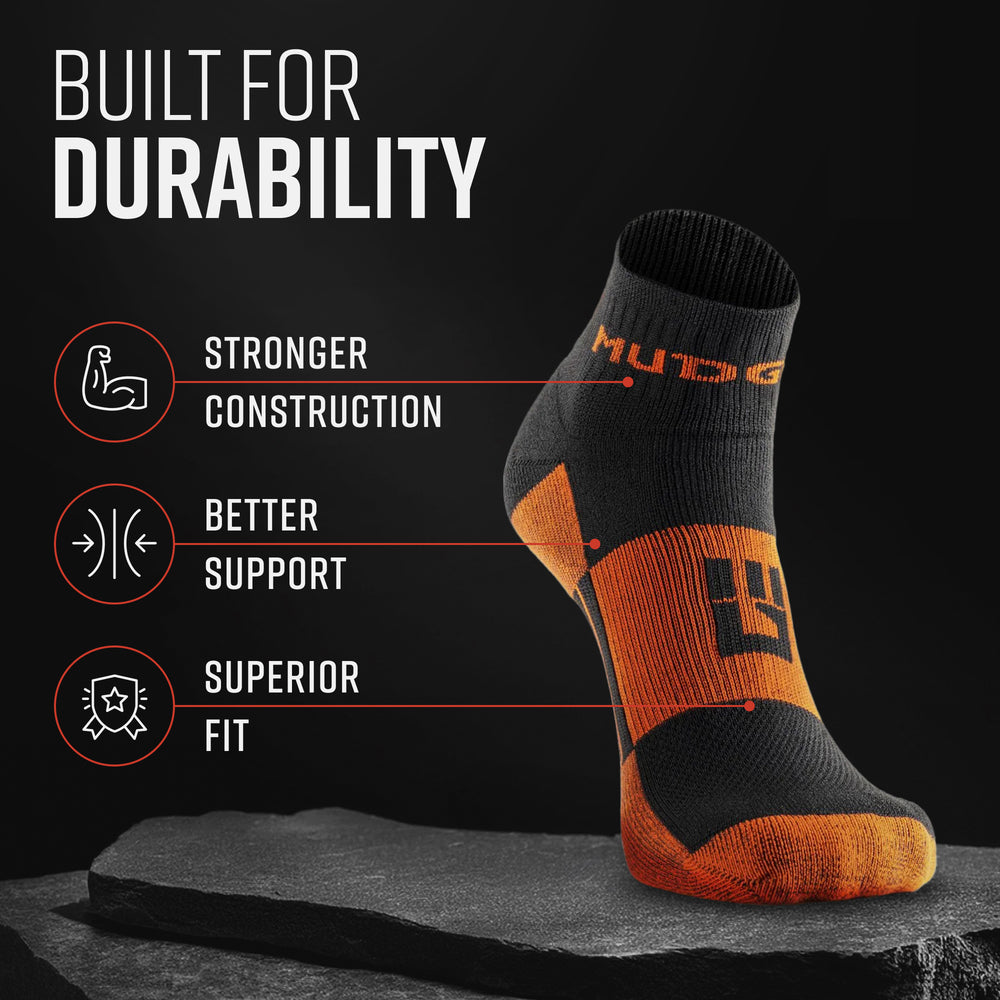
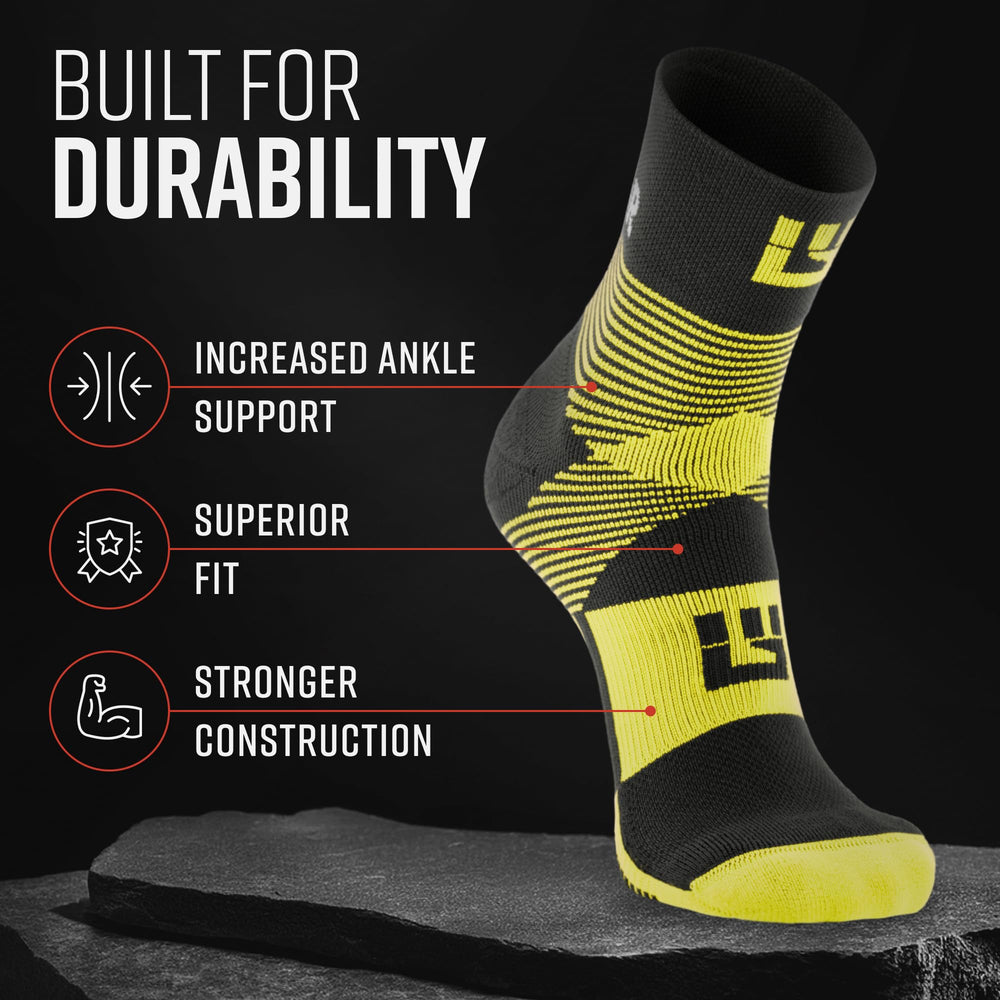
Equipment matters, too. Shoes with appropriate traction become more important on loose, muddy, or rocky surfaces. Socks should fit securely, manage moisture, and provide cushioning and support without bunching or slipping.
MudGear's Running/Trail socks are designed for active use, with performance materials, a secure fit, and ankle support suited to demanding workouts and changing terrain.
The goal isn't to make every trail run harder than your last. It's to build fitness, adapt to new challenges, and enjoy the experience.
The Trail Ahead
Trail running's popularity may be growing, but its appeal isn't complicated.
It's a way to get outside, challenge yourself, and add something different to your training.
And as more women enter the sport and elite athletes continue setting remarkable records, the definition of what a trail runner looks like is expanding.
The next person to discover trail running might be an experienced road runner, a weekend hiker, or someone who hasn't run a race in years.
You don't have to cover 100 miles, climb a mountain, or chase a podium finish to be part of it.
Sometimes all it takes is turning off the road.
Sources & Further Reading
- Outdoor Industry Association. 2026 Running Report: Executive Summary. U.S. running participation statistics and growth trends.
- International Trail Running Association. What Shapes Women's Participation in Trail Running?. March 2026. Women's participation and barriers to entry.
- Aloian, Addison. Trail Running Is Growing at an Exponential Rate—This Is Why Women Are All In. Women's Health, October 14, 2026. Supporting journalism and inspiration for exploring the trend.
- Harms, Robbie. 2026 Cocodona 250 Mile Results. iRunFar, May 2026. Rachel Entrekin's overall victory and course record.
- Western States Endurance Run. 2026 Race Coverage and Results. Jennifer Lichter's record-breaking performance.
- Harms, Robbie. 2026 Hardrock 100 Results. iRunFar, July 2026. Courtney Dauwalter's course record.
- A Systematic Review and Meta-Analysis Demonstrating a Positive Effect of Green Exercise Interventions on Mental Well-Being. Published research, 2025. Research on outdoor exercise and psychological well-being.
- Women Trail Runners' Encounters with Vulnerability to Male Harassment in Rural Off-Road Spaces. Published research. Women's experiences of safety and participation in trail running.
- Harms, Robbie. 2026 UTMB Results. iRunFar, August 2026. Additional coverage of women's elite trail running performances, including Blandine L'Hirondel.
- Frontiers in Sports and Active Living. Female Trail Running: A Systematic Scoping Review. Additional scientific background on female trail running.
Ambassador Contributions: Original interview responses from MudGear Ambassadors Stephanie Buettner and Lisa Marie Musacchio, October 2026.





Leave a comment