
What to Wear on Your Feet for a 10+ Mile Hike (One-Day Hiking Packing List)
When you’re heading out for a 10+ mile day hike, your feet are your most valuable asset. Blisters, hot spots, fatigue, or poor circulation can turn an incredible day into a painful grind. The right setup isn’t just about shoes—it’s a system built around socks, fit, moisture control, and backup planning.

This guide walks through exactly what to wear—and pack—so your feet stay comfortable from the first mile to the last.
Start with the Most Important Layer: Your Socks
For long-distance day hikes, socks matter just as much as your shoes. They manage moisture, reduce friction, and help keep your legs feeling strong deep into the hike.
Best Overall: Tall Compression Hiking Socks
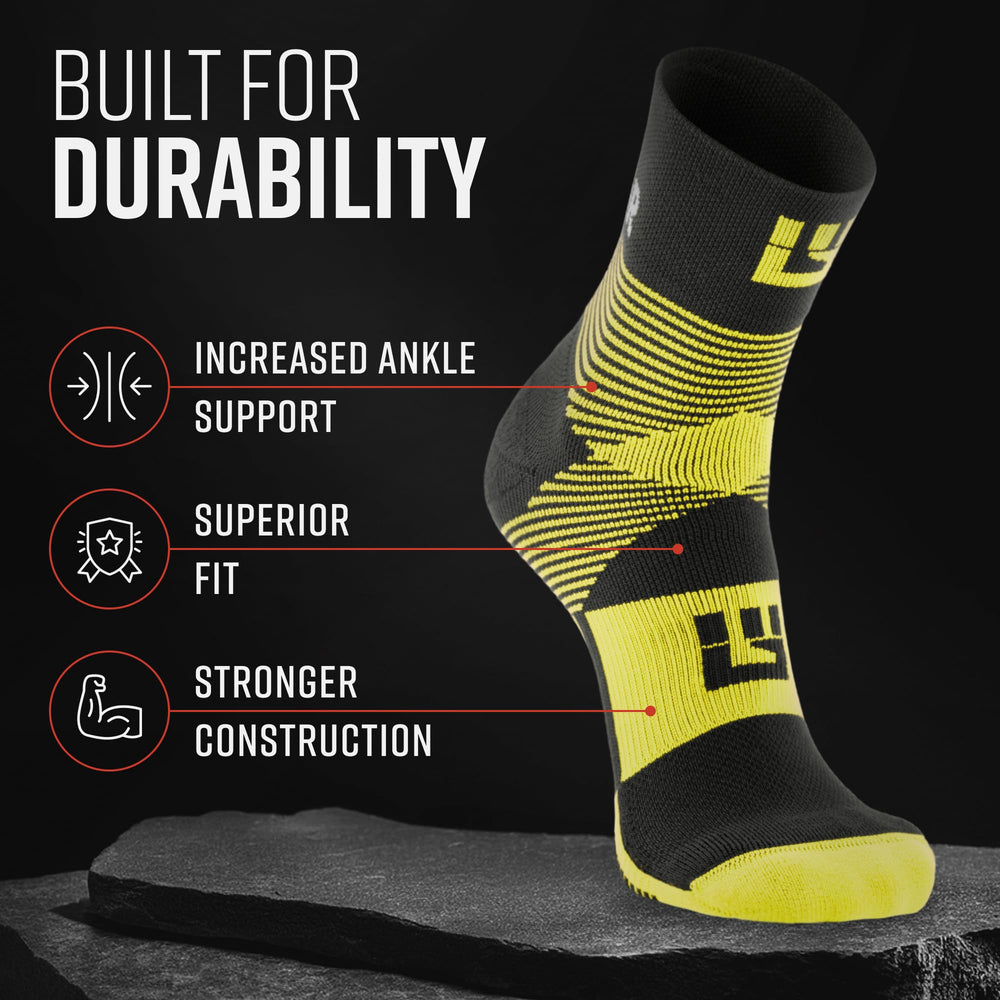
For 10+ mile hikes, a high-performance compression sock is one of the simplest ways to improve comfort and endurance—and the MudGear Mesa Horizon Tall Compression Socks are built specifically for that kind of effort.
They combine graduated compression, moisture-wicking fabric, and trail durability into a sock that supports your legs while helping prevent the friction and moisture buildup that lead to blisters.
What stands out most is how they perform over time. Early in the hike, they feel supportive; later on, they help reduce that heavy-leg fatigue that tends to creep in after several miles.
Why they work well for long hikes:
- Compression helps reduce calf fatigue and swelling
- Moisture-wicking fabric keeps feet dry (key for blister prevention)
- Tall height protects from dirt, debris, and brush
- Durable construction holds up on rugged terrain
Alternative: Merino Wool for Variable Conditions
Merino wool is one of the most versatile materials you can choose for a long hike—especially when conditions aren’t consistent throughout the day.
Socks like the MudGear Merino Wool Tall Compression Socks combine the natural benefits of merino with graduated compression, helping regulate temperature while also reducing fatigue over long distances. They’re a strong choice for hikes where you might start in cool air and finish in warmer conditions, or move through shade, elevation, and changing weather.
In addition to compression options, a more traditional merino hiking sock—like the MudGear Merino Ruck Socks—offers a slightly different fit and feel. While they feature a similar medium-cushion footbed, the key difference is in the height and compression. These are a great option if you prefer a boot-height sock without over-the-calf compression, but still want the natural temperature regulation and durability of merino wool on longer hikes.

Why merino works well on long hikes:
- Naturally regulates temperature (warm when cool, breathable when hot)
- Resists odor over long miles
- Maintains comfort even when damp
- Reduces friction compared to basic synthetic or cotton socks
Which to choose:
- Merino Wool Tall Compression Socks → best for longer mileage and fatigue reduction
- Merino Ruck Socks → best for hikers who prefer a boot height sock and no compression over the calf
1. Trail Shoes or Hiking Shoes (Your Foundation)
The right shoe depends on terrain, but for most 10+ mile day hikes, lighter is usually better—as long as you still have enough protection and grip.
A hybrid option like the MudGear Speed Ruck sits right between a trail runner and a hiking shoe. It’s designed to handle long distances, uneven terrain, and heavier loads without the bulk of a traditional boot.
That balance can be especially useful on longer day hikes where you want:
- Enough cushioning for mileage
- Solid traction for mixed terrain
- Stability without feeling weighed down
Many hikers lean toward lightweight footwear for 10+ mile efforts, and a shoe like this fits that approach while still offering durability and protection.
2. Sock Fit Checklist (Critical)
Even the best socks won’t help if they don’t fit right. Before heading out, check for:
- Snug fit (no bunching or wrinkles)
- Smooth toe seams
- Proper height for your terrain (tall helps with debris)
- Tested comfort (don’t wear brand-new socks on a long hike)

3. Optional: Liner Socks (If You’re Blister-Prone)
If you’ve struggled with blisters before, a thin liner sock can help:
- Reduces friction between skin and outer sock
- Helps manage moisture in hot or humid conditions
What to Pack (Foot-Focused Essentials)
Even on a one-day hike, having a small backup kit can make a huge difference.
Must-pack items:
- Extra pair of socks (compression or merino)
- Blister care (moleskin, tape, or blister pads)
- Foot powder or anti-chafe balm
- Lightweight camp shoes or sandals (optional)
Pro tip:
If your feet get wet or overly sweaty early, changing socks halfway through can completely reset your comfort.
Common Mistakes to Avoid
- Wearing brand-new socks or shoes
- Choosing cotton socks (they trap moisture → blisters)
- Ignoring calf fatigue (compression helps more than most expect)
- Skipping a backup pair of socks
Final Takeaway
For a 10+ mile day hike, your foot setup should prioritize comfort, moisture control, and fatigue reduction.
A strong combination—like compression socks for support, breathable materials for moisture control, and lightweight but capable shoes—can make the difference between just finishing your hike and actually enjoying it.
Get your foot system right, and the miles get a whole lot easier.





Leave a comment