
5 Trail-Tested Ways to Prevent Hiking Blisters
Lessons from MudGear Founder Alex Thrasher's Conversation
on The Rucker's Edge

If you've ever cut a hike short because of a blister, you know just how quickly a small hot spot can turn into a painful problem.
The good news? Most blisters are preventable.
Recently, MudGear founder Alex Thrasher sat down with Spencer, host of The Rucker's Edge podcast, to discuss the science behind blisters, the mistakes hikers commonly make, and the simple habits that can keep you comfortably moving mile after mile. Drawing on years of product development, countless trail miles, and personal experience hiking trails like the Appalachian Trail and Camino de Santiago, Alex shared practical advice that every hiker can use.
Listen to Alex's full conversation on The Rucker's Edge
Here are five of the biggest takeaways from that conversation.
1. Start with Clean, Dry Feet
Blister prevention begins before you ever lace up your boots.
Alex recommends taking a few extra moments before every hike to make sure your feet are clean and completely dry.
Even something as small as a grain of sand or a bit of trail debris trapped between your foot and your sock can create friction that becomes a blister several miles later.
He also recommends turning your socks inside out before putting them on to remove any lint, pet hair, or debris that may have collected in the wash.
"Clean and dry is how you want to start."
Those few extra seconds before hitting the trail can save hours of discomfort later.
2. Don't Treat Socks Like an Afterthought
Many hikers will spend hundreds of dollars on boots but think very little about the socks they wear inside them.
According to Alex, that's backwards.
"Start with a good pair of socks. It's the cheapest part of your gear chain... and the easiest way to prevent many of the blisters that could take you off the trail."
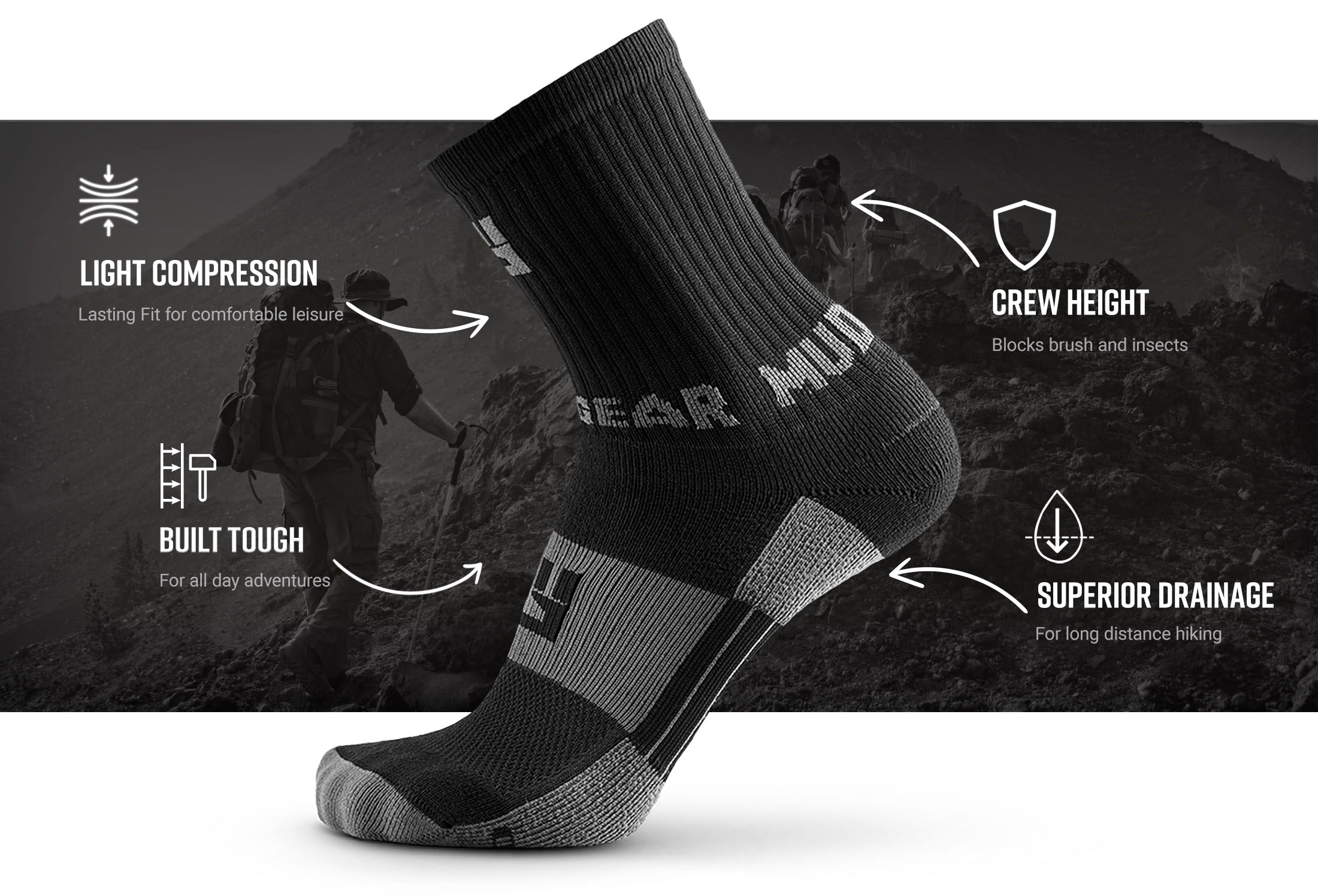
A quality hiking sock should:
- Wick moisture away from your skin
- Stay securely in place without bunching
- Provide targeted cushioning where you need it
- Reduce friction
- Fit comfortably inside your footwear
Alex also recommends avoiding cotton altogether. Cotton holds moisture, which softens your skin and increases friction—the perfect recipe for blisters.
Instead, look for performance fibers or merino wool blends designed specifically for hiking and endurance activities.
3. More Cushion Isn't Always Better
Many hikers assume thicker socks automatically mean greater comfort.
In reality, thicker socks often create more heat.
Alex prefers performance hiking socks with light to medium cushioning instead of bulky traditional hiking socks.
As he explains during the podcast, excessive thickness can trap heat and moisture, creating the very conditions that lead to blisters.
Likewise, he isn't a fan of relying on sock liners for most hikers.
His philosophy is simple:
If your socks need another pair of socks to work properly, you're probably wearing the wrong socks.
The goal is a well-fitting performance sock that manages moisture, minimizes friction, and performs on its own.
4. Never Ignore a Hot Spot
One of the biggest mistakes hikers make is trying to "push through" the first sign of discomfort.
That slight rubbing sensation is your warning.
Stop.
Take your boot off.
Check your feet.
Inspect your sock for debris or bunching.
If needed, apply tape or a blister bandage before continuing.
As Alex explains, catching a problem early is far easier than dealing with a blister once it has formed.
Five minutes on the side of the trail can save the rest of your hike.
5. Expensive Boots Won't Prevent Blisters
One of the biggest myths Alex addressed during the podcast is that premium hiking boots automatically eliminate blister problems.
They don't.
"It's more about fit than it is expense."
A properly fitting boot paired with a high-quality performance sock will almost always outperform an expensive boot with poor sock selection.
Footwear should fit securely without excessive movement, and proper lacing techniques—such as heel-lock lacing—can further reduce unwanted foot movement inside the shoe.
At the end of the day, your entire foot-care system matters more than any single piece of gear.
The Bottom Line
One message stood out above all others during Alex's conversation on The Rucker's Edge:
"Most blisters are preventable... and it's very cheap to prevent them."
Preventing blisters doesn't require complicated routines or expensive equipment. It comes down to making a few smart decisions before and during every hike:
- Start with clean, dry feet.
- Choose performance socks over cotton.
- Don't assume thicker is better.
- Address hot spots immediately.
- Make sure your footwear fits properly.
Your feet carry you through every mile of the journey. Taking care of them means you'll spend less time thinking about blisters and more time enjoying the trail ahead.
Built for the Trail
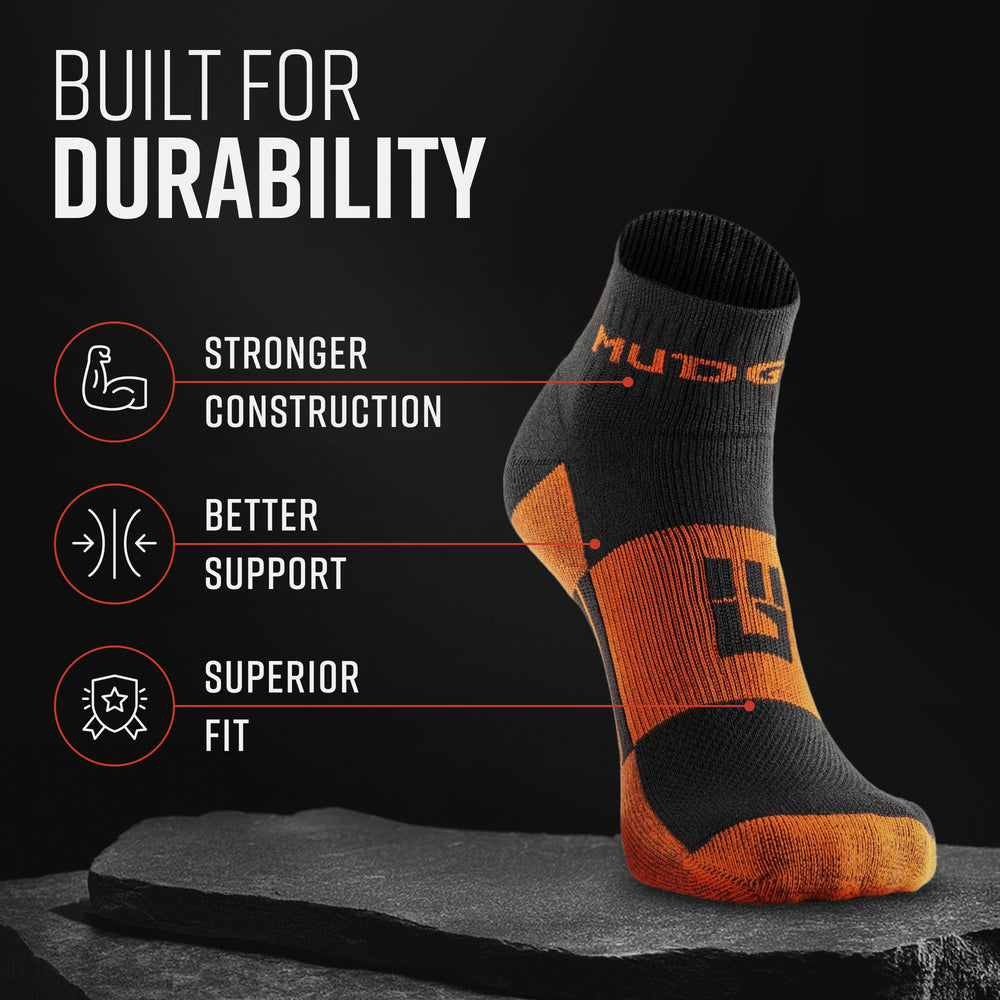
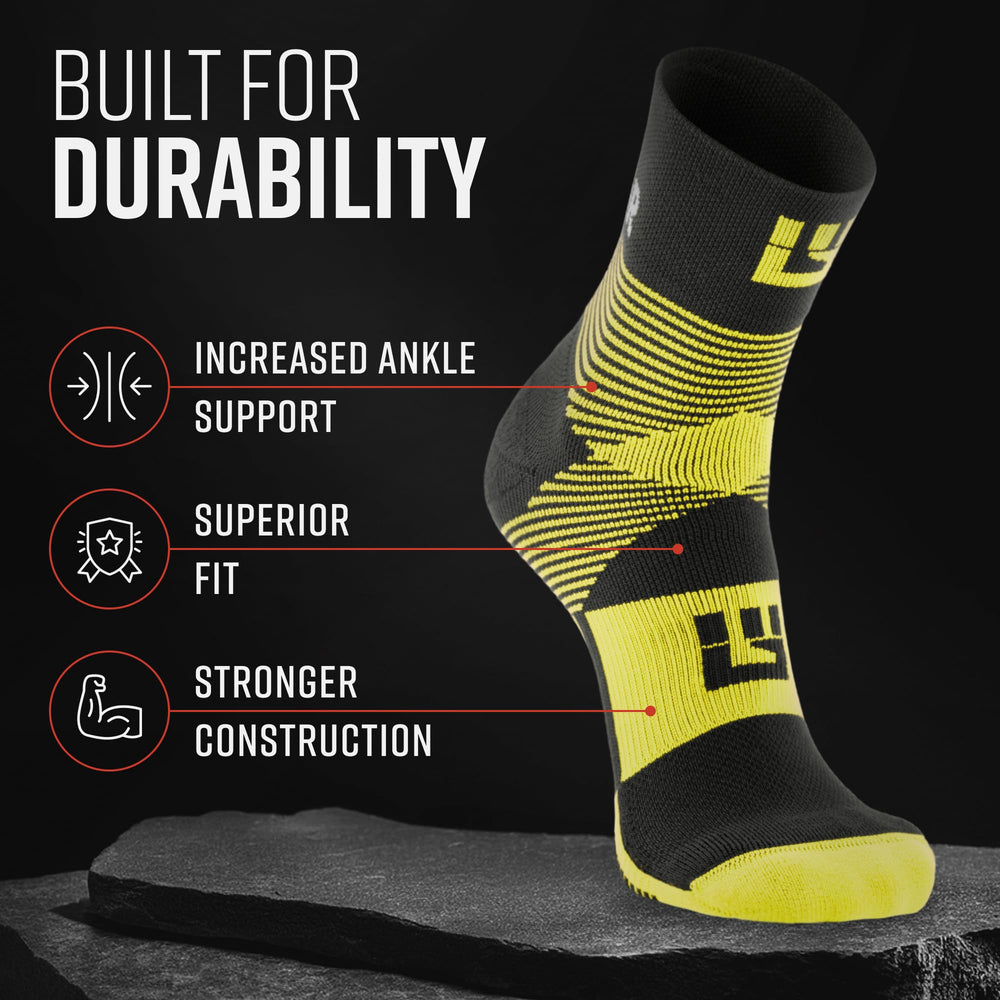
MudGear Hiking Socks are designed with everything Alex discusses in the podcast: moisture-wicking performance yarns, breathable construction, targeted cushioning, seamless toes, reinforced heel and toe, and a secure fit that stays comfortable through long days on the trail.
Whether you're heading out for a local day hike or tackling your next backpacking adventure, the right socks are one of the simplest investments you can make in your comfort—and your ability to keep moving.





Leave a comment